
Depression often brings a lack of energy and motivation, making self-care and recovery feel especially difficult. However, small, consistent steps toward healing can lead to noticeable improvement sooner than you might think
Depression is the most widespread mood disorder, impacting roughly 5 to 10 percent of adults in the United States. It can drain the joy from life, disrupt daily responsibilities, and strain relationships. The good news is that depression often improves with treatment-and in many cases, progress is possible without the use of medication.

It’s difficult to pinpoint why one individual develops depression while another in a similar situation does not. However, depression often follows major life stressors such as the loss of a loved one, job changes, or relationship breakdowns. Transitions like beginning or ending a career, marriage or divorce, becoming a parent, or adjusting to an empty nest can all prompt deep reflection on identity and self-worth. Without adequate support, these periods of change can increase the risk of depression.
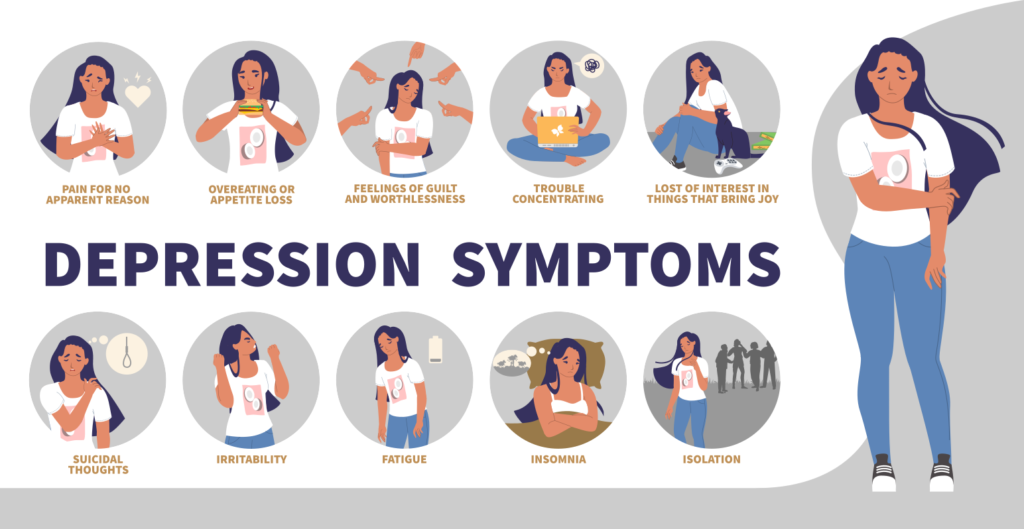
• Persistent low mood or feelings of sadness without a clear cause, lasting for two weeks or more.
• Lack of motivation and trouble carrying out everyday activities
• Experiencing fatigue or low energy despite getting adequate rest
• Struggling with proper nutrition, leading to weight changes due to insufficient eating or unhealthy food habits • A noticeable decline in enjoyment from activities that once brought you pleasure
• Pulling away from social interactions and events
It’s difficult to pinpoint why one individual develops depression while another in a similar situation does not.
However, depression often follows major life stressors such as the loss of a loved one, job changes, or relationship breakdowns. Transitions like beginning or ending a career, marriage or divorce, becoming a parent, or adjusting to an empty nest can all prompt deep reflection on identity and self-worth. Without adequate support, these periods of change can increase the risk of depression.
Several factors can raise the chances of developing depression. These include genetic influences, such as having a close relative with depression; environmental factors, like a history of trauma, limited coping skills, or insufficient support; and biological elements, including certain health conditions, brain chemistry imbalances, or medications taken for other medical issues.
To receive an accurate diagnosis, it’s essential to consult with a healthcare provider for a thorough evaluation. Treatment for clinical depression depends on the specific type. For instance, Seasonal Affective Disorder, which arises during colder months, requires a different approach than postpartum depression, which occurs after childbirth. Likewise, depression linked to another mental health disorder or triggered by a medical condition will need a tailored treatment plan based on its root cause. A licensed healthcare professional will carefully assess your symptoms, overall health, family background, and other contributing factors to determine the best course of action for treating your depression. In some cases, lab tests may be ordered to eliminate the possibility of an underlying medical issue. If no physical cause is identified, you’ll likely be referred to a mental health specialist, such as a therapist or psychologist, for further support.
The most suitable treatment for your depression will largely depend on its underlying causes and the intensity of your symptoms. If your depression stems from an existing medical condition or is a side effect of another medication, your doctor may revise or replace your current treatment plan. For those experiencing mild epression, positive lifestyle adjustments, such as eating a balanced diet, establishing a regular sleep schedule, and staying physically active, can significantly improve mood. Additionall ognitive Behavioral Therapy (CT) and other forms of psychotherapy can reduce symptoms while helping you develop effective, long-term coping strategie For individuals facing severe depression, a mental health professional may suggest using medication, at least temporarily, to help manage symptoms during especially challenging times. The good news is that depression typically improves with appropriate care. While it may feel difficult to seek support, taking that first step is a powerful move toward healing. Even small actions can lead to meaningful progress—what matters most is simply beginning.
epression frequently coexists with other mental health conditions like anxiety or Obsessive Compulsive Disorder (OCD), It can be brought on by traumatic experiences, the loss of a loved on r the end of a relationship. Individuals struggling with depression may also be more vulnerable to substance use or other harmful coping strategies By collaborating with a mental health professional, you can begin to untangle the complicated connections that often contribute to depression. Through this partnership, you’ll explore your struggles and build effective strategies to support your healing and move toward a more meaningful, satisfying life.
At ShowPathway Mental and Wellness Services, PLLC, we know how heavy depression can feel —and how hard it can be to ask for help when motivation is low. But you don’t have to face it alone. Led by Yetunde Fadeyibi, PHN, our team offers compassionate, personalized online therapy and medication management to help you feel more like yourself again. Whether you’re experiencing persistent sadness, fatigue, or disconnection, we’ll work with you to find the treatment path that fits your needs and goals. If you’re located in Texas, New Jersey, Washington, Oregon, or Montana, reach out today. Healing begins with one small, hopeful step—and we’re here to walk it with you.